This month OpenAI shipped a model built for cyber defense, and wrapped it in a phrase that stuck with me: the defender’s window is narrowing. The argument is that AI makes attacks faster and more numerous, so the time a human defender has to notice something and react is collapsing. Whether or not that reshapes security, it names a problem far older than any model — and one every builder ships into without realizing it.
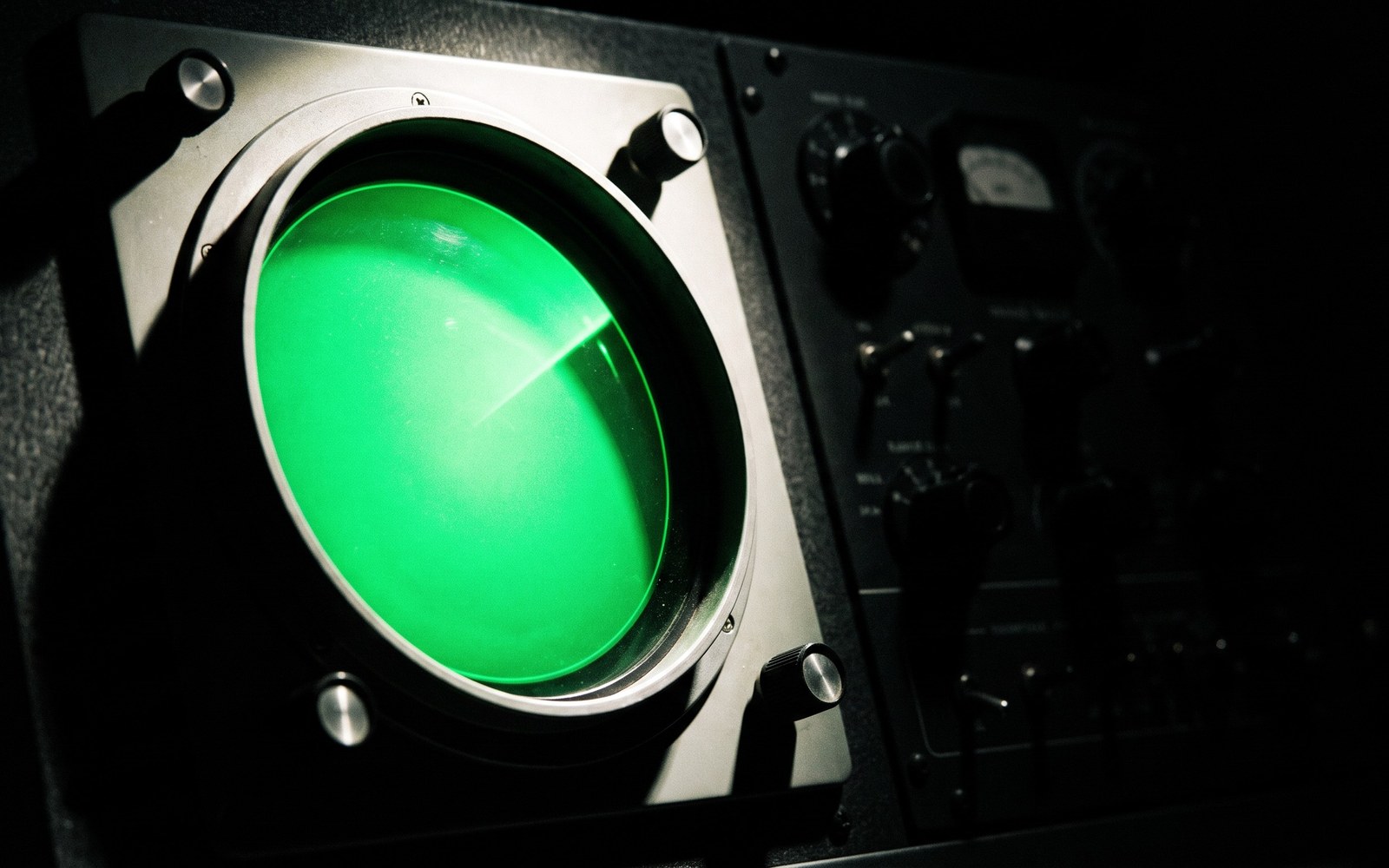
Here is the older problem. In 1948, a psychologist named Norman Mackworth sat radar operators in front of a clock-like dial and asked them to catch a rare double-jump of the hand. Nothing dramatic — just watch, and press a button when the rare thing happens. Within about half an hour, performance fell off a cliff. Not because people got tired or bored in the way we mean those words casually, but because sustained attention to a low-probability signal is one of the things the human brain is genuinely bad at. The rarer and less predictable the signal, the worse we catch it, and the faster we decay. Psychologists call it the vigilance decrement, and eighty years of studies — air-traffic control, baggage screening, quality-control lines, radiology — keep finding the same shape.
The cruel part is the direction of the effect. Our attention holds up best when signals come often; it falls apart precisely when they’re rare. So the events that matter most — the fraud that shows up once in ten thousand transactions, the outage that happens twice a year, the one uploaded file that’s actually malware — are the exact events a watching human is least equipped to catch. You are asking the brain to do its weakest thing at the moment it matters most.
So here’s the build decision, and it’s bigger than security. Any time your product puts a human in front of a stream and says watch for the bad thing, you have designed a vigilance task, and you have designed it to fail. The moderation queue where the awful post is one in a thousand. The ops dashboard someone is supposed to be “keeping an eye on.” The alert channel that cries wolf so often that the real fire scrolls past. The reviewer approving the tenth routine request who rubber-stamps the eleventh that wasn’t routine. None of these fail because you hired careless people. They fail because you assigned a human the one job brains reliably drop.
The fix isn’t a better-trained watcher or a sternly worded reminder to “stay focused.” It’s to move the watching off the human entirely. Put the machine on the boring watch — it does not decay at minute thirty — and reserve the person for the thing brains are extraordinary at and machines are not: judgment on the case that’s already been flagged. Invert the roles. The human shouldn’t be scanning ten thousand items hoping to feel a twitch of suspicion; the human should be handed the three items the system couldn’t resolve and asked, what do you make of this? That’s not a vigilance task. That’s a decision, made at high attention, on a small number of things — the shape the brain is actually good at.
Two design details follow. First, fire the signal at the moment action is possible, not on some arbitrary schedule — a flag the person can act on now, not a digest they’ll skim at 6pm. Second, spend your false-alarm budget like real money, because every cried wolf trains the watcher to ignore the channel, and a channel you’ve taught people to ignore is worse than no channel at all.
The defender’s window may or may not be narrowing this year. But the deeper truth underneath the headline is that the window was never really the human’s to keep. It never was. Design as if the watcher will look away — because at minute thirty, they will.
The science, to look up: the vigilance decrement and sustained attention (Norman Mackworth’s Clock Test, 1948); signal-detection theory (sensitivity vs. criterion); the resource-depletion and mindlessness accounts of vigilance; alarm fatigue in clinical and security settings. Effect sizes vary by task; the decline over time on low-probability signals is the robust finding.
The news, to check: OpenAI’s August 2026 cyber-defense model launch and its “defender’s window is narrowing” framing — TechCrunch, “As AI-led attacks multiply, OpenAI launches a new cyber model” (Aug 10 2026); OpenAI, “Strengthening cyber resilience” / “Expanding Daybreak as the Cyber Defense Window Narrows.” Model naming varied across outlets — this piece cites the corroborated theme, not a single product name.
Sources
- The vigilance decrement and Mackworth's Clock Test (1948)
- signal-detection theory
- alarm fatigue in clinical and security settings
Liked this? Get the next one in Working Theory.
Going weekly in August (it's in beta now). One genuinely interesting read on building, the brain, and the science most people missed.
Subscribe →